
A Look at Serval Cats
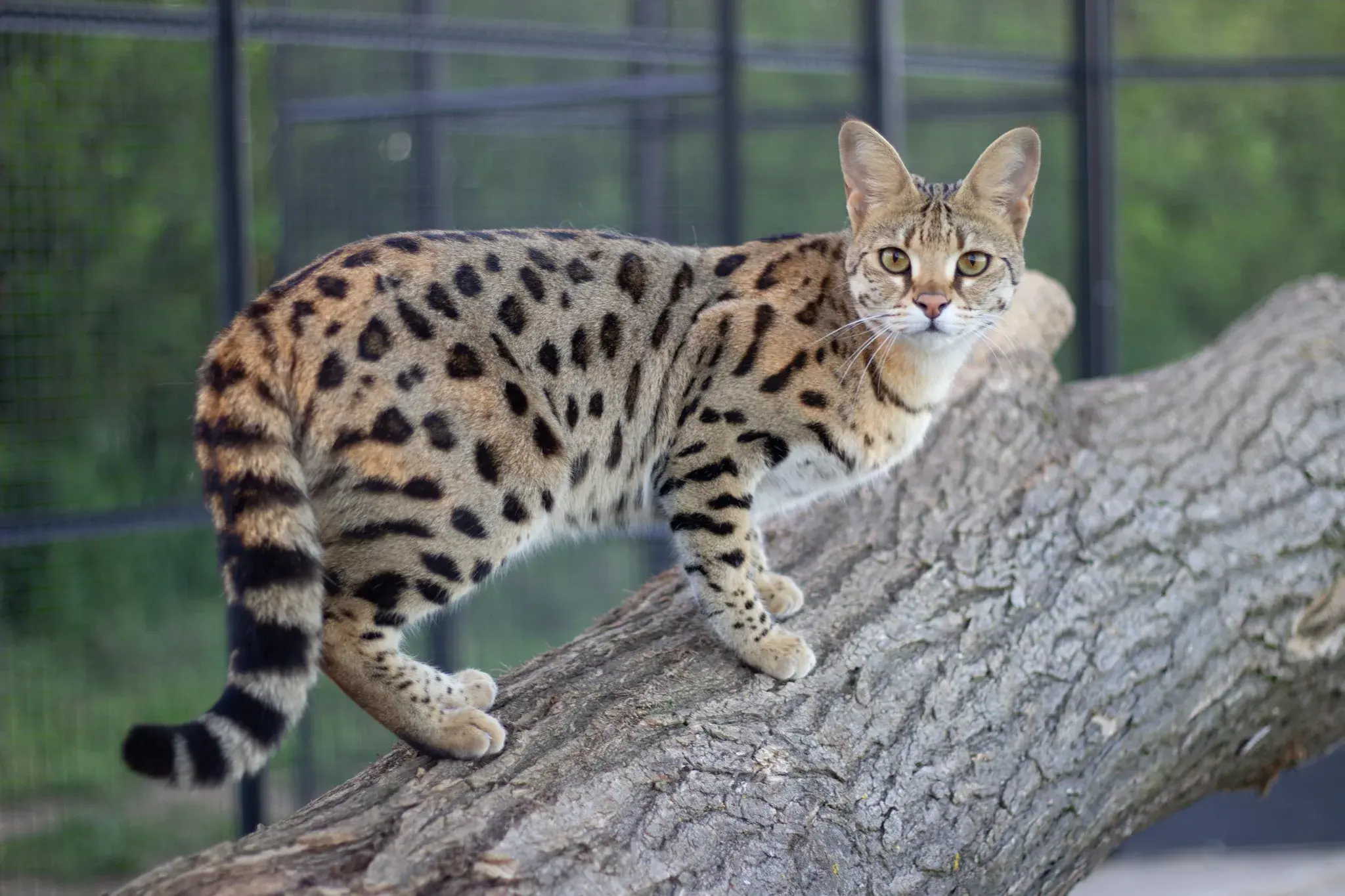
Serval cats, also known as African serval cats, are wild felines from Africa, found from the southern regions to northern Kenya and Uganda. They prefer grasslands, savannas, and wetlands for hunting. These serval cats fascinate through their exceptional adaptation to their environment. Their unique appearance, behavior, and hunting skills captivate scientists and enthusiasts alike. Protecting their habitat, limiting hunting and the pet trade, and raising awareness for their conservation ensures their survival for future generations. We have a responsibility to preserve these magnificent creatures and the ecological balance of their environment.
Hunting abilities of the serval cat
Serval cats are known for their exceptional hunting skills, making them one of the top predators in their ecosystem. They are very skilled at catching small prey, such as rodents, birds, and reptiles. They can even jump up to 3 meters into the air to catch birds in flight. Their long legs and sharp claws help them grasp and hold their prey. Interestingly, they are one of the few wild cat species that can hunt in water, using their paws to catch fish and other aquatic creatures.
Distinctive appearance and behaviors
Serval cats have a unique, distinctive appearance, with a tawny or golden coat covered in black spots and stripes. Their large, rounded ears give them excellent hearing, which helps them detect prey in their environment. They have a slender build and can weigh between 9 and 18 kg. These cats are solitary and nocturnal, with territorial males defending areas of land that can span up to 31 square kilometers. Female servals, on the other hand, tend to have smaller territories, generally around 10 square kilometers. Despite their wild nature, servals are affectionate toward their young, protecting them until they become independent.
Conservation efforts for serval cats
Unfortunately, serval cat populations are declining due to habitat loss, hunting, and the pet trade. Although they are currently classified as a species of least concern by the International Union for Conservation of Nature (IUCN), conservation efforts are needed to protect these magnificent animals and their habitats.
The importance of protecting serval cats
Protecting serval cats matters for the survival of the species and for maintaining ecological balance in their habitats. Their characteristics and behaviors also make them a subject of study for scientists and wildlife enthusiasts. The decline in their populations points to the need for conservation efforts to protect these animals and their habitats.
Conclusion
Serval cats adapt remarkably to their environment, and their appearance, behavior, and hunting skills draw the interest of scientists and enthusiasts alike. Protecting their habitat, limiting hunting and the pet trade, and raising awareness for their conservation are what will secure their survival.