
Maine Coon Nutrition: Optimal Health
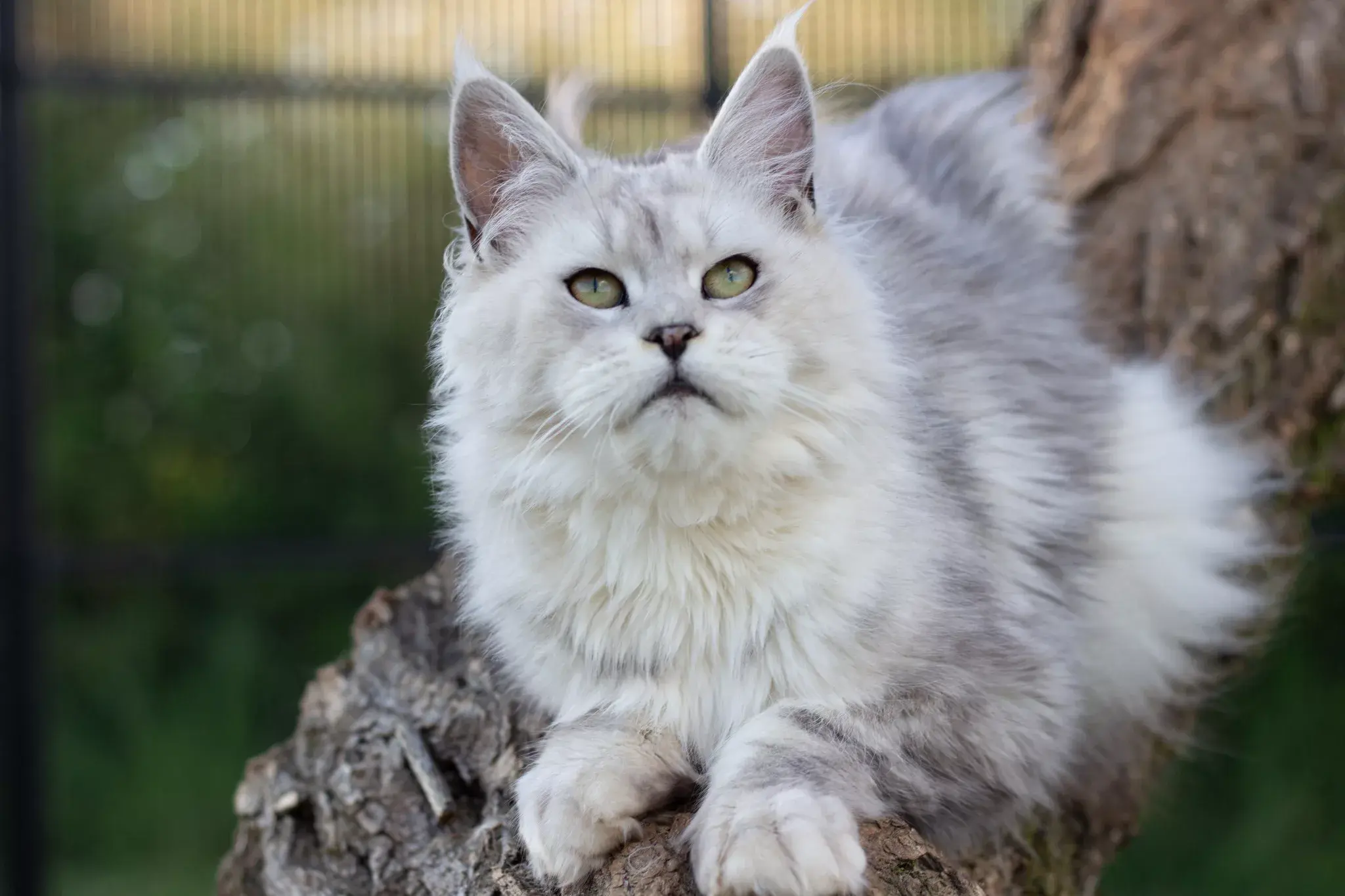
Maine Coons, known for their large size, strength, and playful nature, need particular attention to their diet. A balanced diet has a real impact on their overall health, longevity, and quality of life.
Understanding Maine Coons’ dietary needs
Maine Coons, like other cats, are obligate carnivores. As a result, they need a diet rich in animal protein to thrive. Being large and naturally active, their diet must contain high-quality protein to maintain and build their musculature (Cornell University, 2022). In addition, they require a balanced intake of vital vitamins, minerals, and fatty acids to preserve their overall well-being.
By providing adequate portions, you effectively prevent obesity. This condition can have serious consequences such as diabetes, heart conditions, and joint problems.
Choosing the right diet for your Maine Coon
The pet food market offers a variety of options, including dry kibble, wet canned food, or even raw or homemade diets. When deciding on a diet for your cat, pay close attention to the quality and composition of the ingredients. Foods that list high-quality meat sources as the main ingredients are generally the best option (ASPCA, 2022).
Dry or wet food?
When it comes to feeding your Maine Coon, dry and wet foods each have their advantages and disadvantages. Understanding these differences can help you make an informed decision that suits both your cat’s needs and your lifestyle.
Dry food:
Advantages:
Convenience: Dry food is easy to serve and store and can be left out without spoiling. This makes it a practical option for pet owners who are away for long periods.
Dental health: Some veterinarians suggest that the crunchy texture of dry food can help keep your cat’s teeth clean by reducing plaque buildup.
Cost-effectiveness: Dry food is generally cheaper and has a longer shelf life than wet food, making it a popular choice for owners of large breeds like Maine Coons.
Disadvantages:
Hydration: Dry food contains very little moisture. Cats often don’t drink enough water on their own, so an exclusively dry diet can contribute to dehydration.
Carbohydrate content: Dry food often contains higher levels of carbohydrates and plant-based protein than wet food. This can potentially contribute to weight gain and other health issues such as diabetes.
Wet food:
Advantages:
Hydration: Wet food has a high water content, which can help maintain good hydration in your Maine Coon. This is particularly beneficial for cats who don’t drink enough water on their own.
High protein content: Wet food is generally rich in animal protein and low in carbohydrates. This more closely mimics a cat’s natural diet and can help support lean muscle mass in large, active breeds like Maine Coons.
Palatability: Many cats find wet food more appetizing than dry food, making it a good option for picky eaters.
Disadvantages:
Storage and serving: Wet food can spoil quickly once opened, so it needs to be served fresh and leftovers discarded, which can lead to more waste.
Dental health: Wet food doesn’t provide the abrasive action of dry food, so it may be less effective for dental health.
Cost: Wet food is generally more expensive than dry food, which can be a factor to consider for owners of large cats like Maine Coons.
A combination of wet and dry food can be beneficial for Maine Coons.
Wet food can help ensure adequate hydration and provide animal protein. Dry food can promote dental health while offering an economical and practical feeding option. Every cat is unique, so regularly monitoring your cat’s health and consulting a veterinarian helps you develop a diet tailored to your Maine Coon.
Feeding guidelines and meal routine:
Since Maine Coons have a slower metabolism than smaller cats, they are prone to weight gain if overfed. To avoid this, manage portions and keep a regular meal routine. As a general rule, adult Maine Coons should be fed twice a day, but adjust exact feeding guidelines based on your cat’s specific age, weight, and activity level.
To assess your pets’ body condition, you can watch this video:
Vitamin and mineral deficiencies:
Adequate nutrition matters for maintaining your Maine Coon’s overall health. Certain vitamins and minerals support various physiological functions, and a deficiency can lead to health problems.
Here are some key nutrients and the issues associated with their deficiency:
Taurine
This amino acid is essential for cats and must be present in their diet. A deficiency can lead to serious health problems such as dilated cardiomyopathy (a form of heart disease), retinal degeneration leading to blindness, and reproductive problems. Symptoms can include breathing difficulties, lethargy, loss of appetite, and impaired vision.
Vitamin A
Since cats cannot convert beta-carotene from plants into vitamin A, their diet needs to include it in the form of retinol. A vitamin A deficiency can cause various problems, such as skin issues, night blindness, and growth delays. Signs to watch for include a dull, rough coat, dry and inflamed skin, as well as behavioral changes or changes in eating habits.
Vitamin D
Unlike humans, cats cannot synthesize enough vitamin D from sunlight, so it must be provided through diet. A deficiency can lead to rickets in kittens and osteomalacia in adult cats, both of which are characterized by weakened and deformed bones. Signs of deficiency can include lameness, difficulty moving, and decreased appetite.
Calcium and phosphorus
These minerals are essential for bone health. Imbalances or deficiencies can lead to bone deformities and growth problems, especially in kittens. Lethargy, decreased appetite, and changes in bone structure can be signs of deficiency.
If you notice any of these symptoms or suspect a nutrient deficiency, consult a veterinarian promptly. It’s generally not recommended to supplement these nutrients without veterinary advice, as excessive consumption can also cause health problems. Feeding a balanced, high-quality commercial cat food that meets the standards set by the Association of American Feed Control Officials (AAFCO) is generally sufficient to provide all the nutrients your Maine Coon needs.
Hydration and water consumption:
Adequate hydration matters for your Maine Coon’s health. Always provide fresh, clean water in sufficient quantity for them to drink. Cat water fountains can encourage drinking by stimulating your cat’s natural desire for running water.
Foods to avoid:
There are certain foods you should avoid giving your Maine Coon. Some are potentially harmful, while others can be outright toxic. Here are a few examples:
- Chocolate: Contains theobromine and caffeine, both of which are toxic to cats.
- Onions and garlic: Even in small amounts, they can cause gastrointestinal upset and lead to red blood cell damage in cats.
- Grapes and raisins: They can cause kidney failure in some cats.
- Alcohol: When it comes to alcohol, even small amounts are enough to cause significant harm.
- Xylitol: The use of xylitol should also be avoided, as this artificial sweetener can lead to liver failure in cats.
- Raw yeast dough: Raw yeast dough, for its part, can swell in the cat’s stomach, causing pain and risking rupture.
- Caffeine: Caffeine, meanwhile, poses a fatal danger to cats, and there is no antidote in case of ingestion.
Always check with your veterinarian if you have any doubts about giving your Maine Coon food intended for human consumption.
Nutritional supplements and treats:
Some Maine Coons can benefit from nutritional supplements. Omega-3 fatty acids, for example, promote skin and coat health. Supplements to support joints, such as glucosamine and chondroitin, are advisable, especially given this breed’s predisposition to hip dysplasia. Choose treats carefully so they complement the main diet and don’t lead to excessive calorie consumption.
Monitoring and adjusting diet:
Monitoring your Maine Coon’s body condition and weight matters: overfeeding can lead to obesity, and underfeeding can lead to malnutrition. Regularly assessing your Maine Coon’s body condition and adjusting their diet accordingly helps maintain their health.
Weight changes can also signal underlying health problems. If your cat loses weight rapidly or gains weight unexpectedly, seek veterinary advice. Regular veterinary visits help assess your cat’s overall health and nutritional status.
Conclusion
A balanced, nutritious diet contributes to your Maine Coon’s overall well-being and longevity. Understand your cat’s dietary needs, choose high-quality foods, and establish a consistent feeding routine. Adequate hydration, avoiding toxic foods, and regular monitoring with adjustments as needed round out good care.
Every Maine Coon is unique, and their nutritional needs can shift based on age, weight, activity level, and health status. A veterinarian can help you develop a feeding plan tailored to your cat.
Here are some additional resources on pet nutrition:
World Small Animal Veterinary Association (WSAVA): This association provides various resources and guidelines related to pet nutrition. For more in-depth information about cat nutrition, including resources specifically dedicated to the Maine Coon, feel free to visit their website:
Global Nutrition Toolkit: https://wsava.org/wp-content/uploads/2020/05/WSAVA-Global-Nutrition-Toolkit-French.pdf
Frequently Asked Questions and Myths: https://wsava.org/wp-content/uploads/2020/01/Frequently-Asked-Questions-and-Myths.pdf
EU Nutrition Label: https://wsava.org/wp-content/uploads/2020/01/Nutrition-Label-EU-16_9.pdf
Selecting a pet food (2021 update): https://wsava.org/wp-content/uploads/2021/04/Selecting-a-pet-food-for-your-pet-updated-2021_WSAVA-Global-Nutrition-Toolkit.pdf
Remember to visit your veterinarian regularly for health checks and advice specific to your Maine Coon. Your veterinarian can recommend specific food brands, adjust portions, and provide advice tailored to your cat’s individual needs.
With a balanced diet, adequate hydration, and regular monitoring, you can give your Maine Coon a long, active, and fulfilling life.
Discover How to Ensure Your Maine Coon’s Health and Well-Being